HOW TO CHOOSE THE BEST CURTAINS OR SHADES FOR YOUR AIRBNB
I recently stayed at a GORGEOUS, recently renovated Airbnb in a beautiful Austin neighborhood. The kitchen design looked like it was straight out of an editorial magazine, the bathrooms were beautifully appointed, and the backyard was complete with an insta-worthy mural that was sure to create memorable group photos. I was the first in our group to arrive, so naturally I gave myself a tour of all the bedrooms to get first dibs on the best bed!
But when I got up to the upstairs bedrooms, I noticed the most bizarre detail – some of the windows had NO curtains, and those that did – had cheap looking, thin curtains that did nothing to block out the sun – or the scorching Texas heat.
Then I went back in to read the guest reviews more carefully.
“Loved everything, but the morning sun made it impossible to sleep past 6 a.m.”
“Beautiful space, but we had to drape towels over the curtain rod to block the streetlight.”
“Would book again, but bring an eye mask.”
These weren’t one-star reviews. They were four-star reviews from guests who wanted to give five stars. And it validated my initial reaction: blackout window treatments aren’t just a luxury detail. They’re the difference between a rental that feels like someone’s spare bedroom and one that feels like a boutique hotel.
Every bedroom I design gets blackout curtains or roman shades. No exceptions. Here’s why this one upgrade consistently shows up in glowing reviews and helps my clients command higher nightly rates.
Sleep Quality Is Non-Negotiable in the Hospitality Industry
When guests book your property, they’re not just renting a bed. They’re buying the promise of rest.
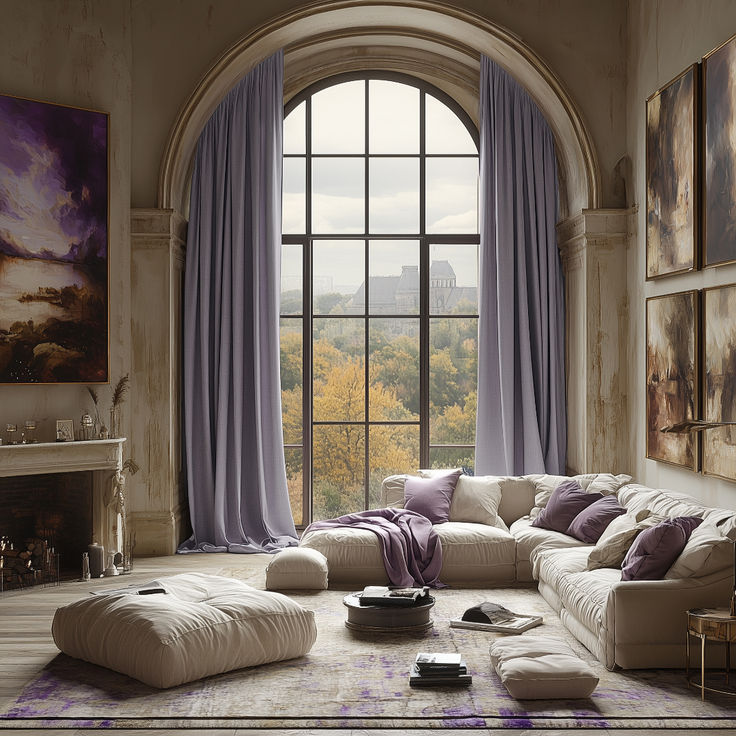
Think about what boutique hotels understand instinctively: sleep is sacred. The Ace Hotel doesn’t have flimsy sheers that glow orange at sunrise. The Hoxton doesn’t let streetlights flood the bedroom at 2 a.m. These properties invest in total darkness because they know tired guests don’t return, don’t leave great reviews, and don’t recommend the hotel to friends.
Your Airbnb deserves the same respect.
Blackout window treatments give guests control over their environment. Early risers can open them. Night owls can create a sleep cave at noon. Families with toddlers can maintain nap schedules. Business travelers adjusting to jet lag can reset their circadian rhythm without fighting the sunrise.
This isn’t about aesthetics (though we’ll get there). This is about removing friction from the guest experience so completely that they don’t even realize you’ve thought of everything. They just sleep deeply and wake up thinking, “That was the best rest I’ve had in months.”
And here’s the revenue piece: when guests sleep well, they review well. Better reviews mean higher search ranking, more bookings, and the ability to increase your rates. I’ve watched clients raise their ADR by $20–40 per night after making their spaces feel genuinely restful. Blackout curtains are a $200–400 investment per window that pays for itself in two bookings.
How to Choose Between Blackout Curtains and Roman Shades
You have two excellent options here, and your choice depends on your design aesthetic and window size.
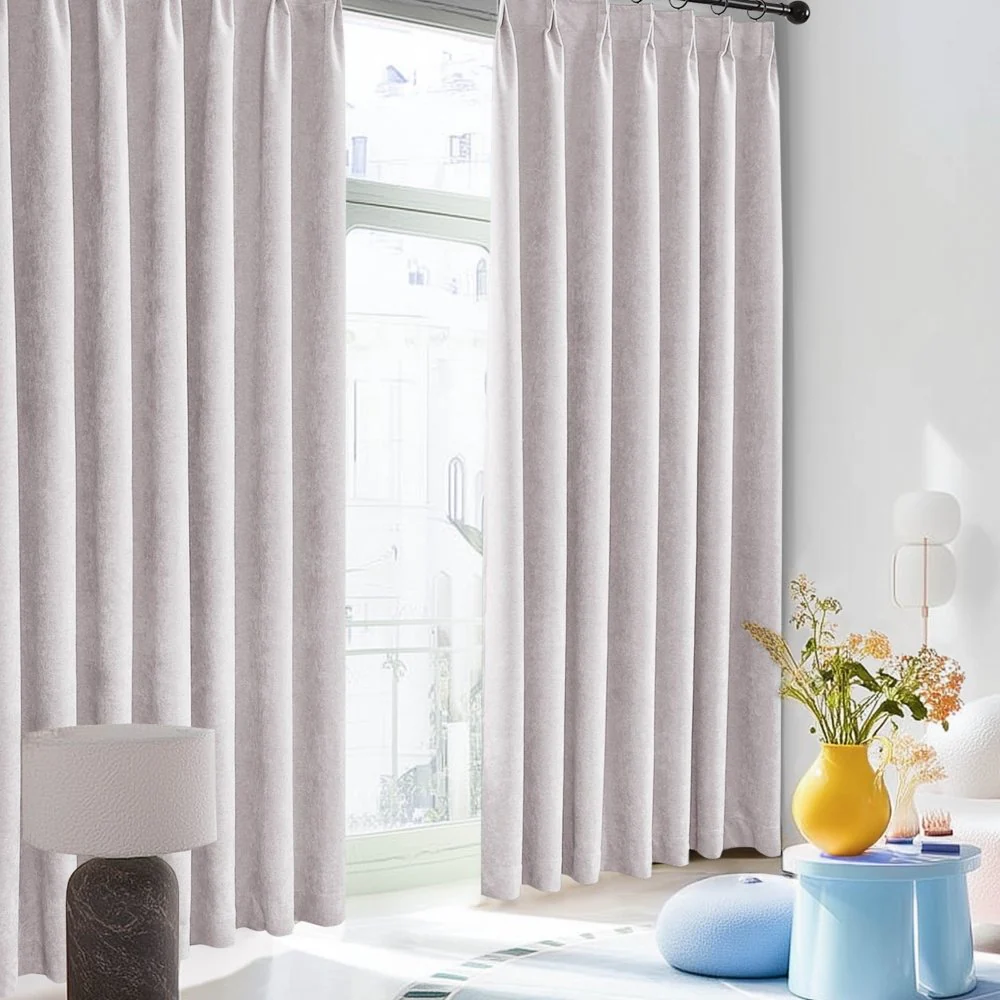
Blackout curtains work beautifully in spaces with tall windows or where you want to add softness and drama. I love these Heloise 100% Total Blackout Custom Curtains for their clean, tailored look and the way they pool slightly at the floor (very boutique hotel). The custom sizing means you can get proper coverage without gaps at the sides where light sneaks through. Choose curtains when you want the room to feel elegant, layered, and a little more residential.
Blackout roman shades are my go-to for smaller windows, modern spaces, or rooms where you want a streamlined, uncluttered look. The Deconovo Lauretta Custom Linen Roman Shade brings that sophisticated, minimalist vibe you see in Scandinavian hotels. Roman shades sit flush with the window frame, which makes small rooms feel larger and creates crisp, architectural lines. They’re also fantastic for bedrooms with furniture placed near windows—no fabric to wrestle with when you’re changing sheets.
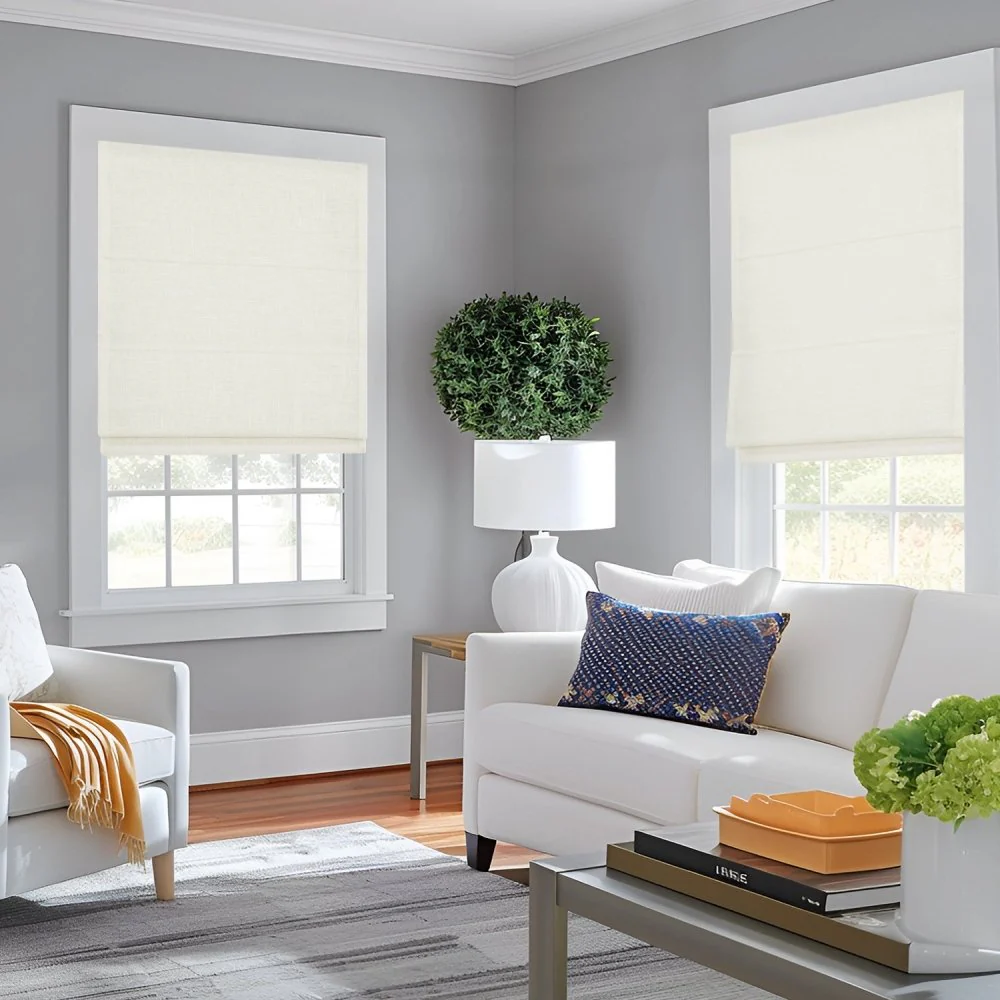
If you’re designing for a cozy, layered aesthetic, you can actually use both: a roman shade for total blackout function, topped with stationary linen curtain panels for softness. This is the setup I use in primary suites where I want that expensive, considered look.
For textured elegance that works in nearly any style, the Deconovo Solene Custom Linen Texture 100% Total Blackout Curtains strike the perfect balance. They have the relaxed, organic feel of natural linen but with the performance of total blackout fabric. Guests see beautiful window treatments. You know they’re engineered to block every photon of light.
The Design Details That Separate Amateur Rentals from Boutique Hotels
Here’s what most Airbnb hosts get wrong: they buy blackout curtains, hang them inside the window frame, and wonder why light still leaks around the edges.
Total darkness requires thoughtful installation. Mount your curtain rods or roman shade brackets outside the window frame, extending at least 3–4 inches on each side and 4–6 inches above. This creates overlap that seals light gaps. For curtains, make sure the panels are wide enough to stack generously when open. Skimpy curtains that barely cover the window when closed look cheap and don’t perform.
Layer is everything. Even blackout fabric benefits from being hung over a simple roller shade or cellular shade for maximum light blocking at the edges. This double-layer approach is standard in luxury hotels, and your guests will notice the difference.
Hardware matters more than you think. Cheap plastic rods sag and look temporary. Invest in sturdy metal rods with a finish that complements your design—matte black, brushed brass, or oil-rubbed bronze all read as intentional and high-end. The same goes for roman shade mechanisms: cordless or motorized options feel modern and considered.
And here’s a detail I always mention to clients: blackout treatments also provide thermal insulation and noise reduction. Guests staying in urban properties or near busy streets will sleep more soundly. Properties in hot climates stay cooler with windows dressed in thick, light-blocking fabric. These are the invisible perks that turn first-time guests into repeat bookers.
The Guest Experience Is in the Smallest Decisions
Every detail in your short-term rental either reinforces the feeling that someone thought carefully about the guest’s comfort, or it doesn’t.
Blackout window treatments fall firmly in the “someone thought of everything” category. They show up in reviews. They get mentioned in messages. “The blackout shades were perfect—we slept until 9 a.m. for the first time in years.” That’s the kind of feedback that builds a reputation and a waitlist.
I design dozens of Airbnbs and boutique hotels every year, and I can tell you with certainty: the properties that feel most like luxury experiences aren’t always the ones with the biggest budgets. They’re the ones where the owner paid attention to how a guest actually lives in the space. Where they anticipated needs before the guest even realized they had them.
Darkness when you want it. Light when you need it. Complete control over your environment. That’s boutique hospitality.
Ready to give your guests the gift of deep, uninterrupted sleep? Shop the custom blackout curtains and roman shades I recommend above, measure carefully, and install them with intention. Your next five-star review is already written—it’s just waiting for your guests to experience a truly restful night.
This post contains affiliate links. If you purchase through my links, I may earn a small commission at no extra cost to you. I only recommend products I genuinely love and would use in my own design projects. Thank you for supporting Guest & Grace.